Beans, Beans, the Musical Fruit

The Setup
Beans, beans, the musical fruit
The more you eat, the more you toot
The more you toot, the better you feel
So let’s have beans with every meal!
–Unknown
It must be said it’s a banger. “Beans, beans, the musical fruit” has to be one of the most earworm-y rhymes in history. The rest of the song is probably playing in your head right now, perhaps with a little regional variation–some people say “magical fruit”, some people say “poot” over “toot.” But all the important parts are there, easily fetchable in your brain despite so many more important memories fading away.
This song, in fact, has survived at least one attempt on its life. In April 2021, Bush’s (the bean company) tapped Josh Groban to compose “Bean Song,” a comically over-produced bean ballad. Their press release called Groban’s new song “a much-needed replacement” for the “notorious” rhyme. I know, I know–how dare they. Much needed? The original is perfect.
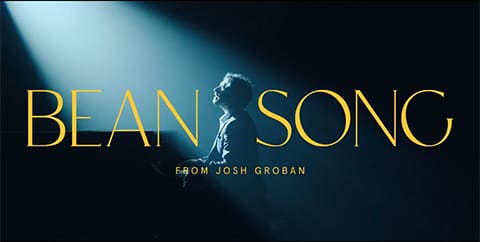
Believing they had cooked up a viral hit, Bush’s went on a media blitz for “Bean Song,” with stories in trade rags like Ad Age, Adweek, and Billboard alongside mainstream press like People. TV news and traditional newspapers covered the story as well. This is perhaps fanciful speculation on my part, but I wonder if Bush’s intended this to be a kind of “it’s OK to laugh again” post-COVID anthem–the song would have begun production while the pandemic still raged and released only a few months after vaccines became widely available.
There is no indication that “Bean Song” went viral, and Bush’s actions suggest the opposite. As of publication, the original Facebook post is still online with approximately 300,000 views, dire for a major marketing event. Elsewhere, Bush’s went into full retreat and struck the song from the public record. Original YouTube uploads have been set to private. (A few alternate uploads survive with disastrously low view counts.) Josh Groban’s name has even been scrubbed from Bush’s website, the singer condemned to be persona non grata in Bean World. Total victory for the original rhyme. Banger status secure.
But enough about Josh Groban. (An evergreen sentence.) Let’s dive into the history of the musical fruit, a rhyme that at first blush needs little explanation. Farts are funny and beans make you fart–nothing could be simpler, right?
What if I told you (in a Morpheus voice) that “Beans, Beans, the Musical Fruit” is not about farts at all? What if everything you thought about eating more and therefore tooting more was a lie? I am (in a regular voice) only slightly exaggerating. I believe that what to the modern tooter seems like an obvious punchline is merely incidental. If I’m right, the fart-generating property of beans is an extra joke in a song about something else entirely.
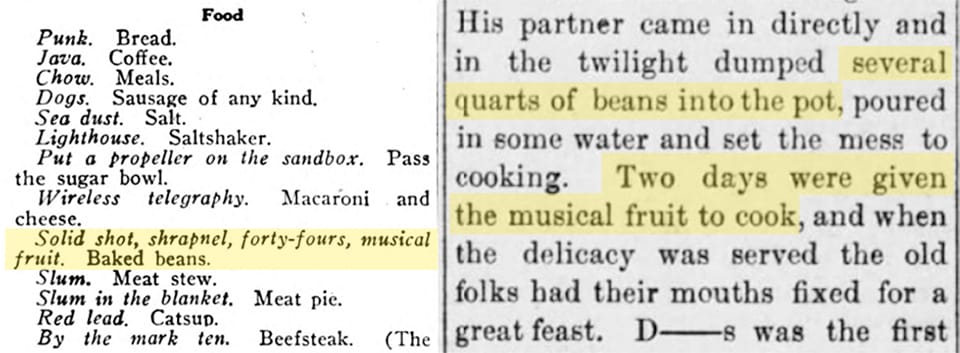
We can resolve one controversy right away: the canon term is “musical fruit” despite some people’s insistence otherwise. The most common variation seems to be “magical fruit” and other terms pop up over time, altered deliberately or by the natural warping of oral transmission. You can find, for example, “miracle fruit” (fine) and “natural food” (awful), but I believe musical fruit is the oldest lyric. A 1919 issue of the Boy Scouts magazine Scouting explains the term in an article titled “Sea-Goin’ Stuff for Seascouts.” Musical fruit, according to this article, is navy slang–an origin that is probably true but incomplete, as we’ll discuss later. I also include here the earliest explicit mention I can find of musical-fruit-qua-beans, an 1892 newspaper article.
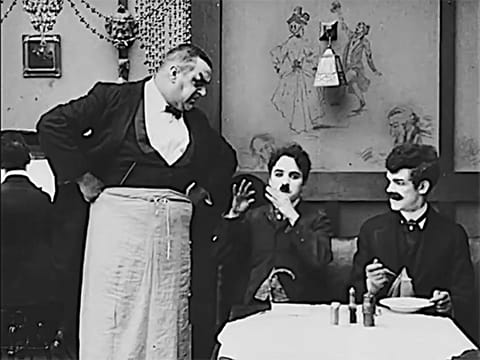
I must also mention a blink-and-you’ll-miss-it joke from Charlie Chaplin’s 1917 film The Immigrant. Chaplin, the titular immigrant, visits a restaurant where he cannot speak the language. He manages to order a plate of beans by pantomiming the flute. (Credit to Dan Kamin’s book The Comedy of Charlie Chaplin for pointing this joke out.) The Immigrant is a silent film and so the line is, of course, unsaid, but the joke is clearly that Chaplin’s character is ordering a musical dish. The phrase was apparently common enough by 1917 to cross language barriers, at least in the context of a comedy.
I think it is likely impossible to trace the rhyme to a specific person or place–all evidence points to it being a folk song emerging organically among young people (and, as I’ll argue, probably in America). There is one song that seems like an obvious precursor, though. Various sources describe a song sung by British children in the 19th century, and its form is so similar to the bean rhyme that I think they are likely related. The 1916 book London Street Games tells it like this:
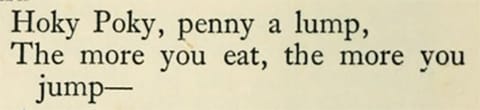
“Hokey-pokey” was a kind of ice cream and “penny a lump” its price. This rhyme was also the vendor's bark, meant to attract customers, and was heard across the British Isles (it is mentioned in James Joyce's Ulysses) and on both sides of the Atlantic. A writer in 1927 for The Saturday Evening Post reminisced about hearing a version on “the plains of Hoboken” in the 1860s. The rhyme was popular enough to be transformed into bawdier songs, like the following from Henry De Marsan's New Comic and Sentimental Singer's Journal, a circa 1870s publication that contained “the most popular songs of the day.” This second version is a ribald sex comedy but demonstrates that the children’s song was well known enough to be playfully transformed.
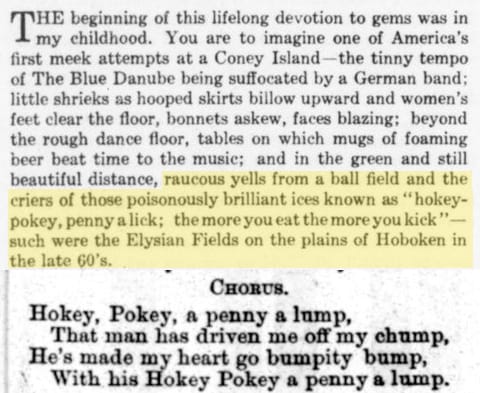
If I am correct, the overall form of the bean song existed already in the hokey-pokey rhyme, and someone decided to repurpose the tune to be about beans. But where did “musical fruit” come from? There are two theories so egregiously plausible that they must be mentioned, though I cannot find direct evidence to support them.
First, though we do not consider beans to be fruit today, in the past the terms were more interchangeable as “the edible growth of a plant.” Under this theory, “musical fruit” is a straightforward invention, no metaphor at all but two words that mean what they say. I think this is logical but weak as the terms were also used distinctly and not as strict synonyms.
Second, “musical fruit” could be a retrofitted rhyme to “the more you toot.” It’s nonsensical, but many childhood songs are nonsensical, with lyrics chosen for their meter and rhyme instead of their literal meaning. Under this theory, there’s no “reason” for musical fruit–it’s purely creative. This is possible but, in my opinion, unpersuasive.
Beans, as an aside, are not the only food to take the "musical fruit" moniker, and so readers might wonder if another food was given the name first. People have long believed that certain foods make them fart more than others; in certain cases, beans being one of them, that is absolutely true. I found at least one reference to onions as musical fruit, and Filipinos refer to sweet potatoes (kamote) this way. But according to my research beans were first to be given this specific title and, in any case, are the topic of the famous song.
I believe the evidence points to a third theory: the existence of a literal toy called a musical fruit. The musical fruit was at one point a common instrument. For the life of me, I can’t figure out exactly what it is, only that it was reportedly popular and often sold by toy sellers. Grove’s Dictionary of Music and Musicians described it in 1878: “The history of the harmonium is intimately connected with that of the different wind harmonicas which from the musical fruit and baby trumpets of Nuremberg, to accordions and concertinas, have during the past fifty years had such extensive popularity.” My best guess is the musical fruit was a kind of toy accordion or squeezebox.
Numerous mentions of the musical fruit survive across the English-speaking world, from Australia to England to America. An 1842 story describes a children’s concert at a London fair that featured 19 musical fruits. An 1848 advertisement in an Australian newspaper highlights a stock of 1000 musical fruit alongside cannons and swords for Adelaide militiamen. (As far as I can tell, despite being stocked by a toy store, these are real armaments related to a bill of conscription. Toy stores of the period dabbled in other wares.)
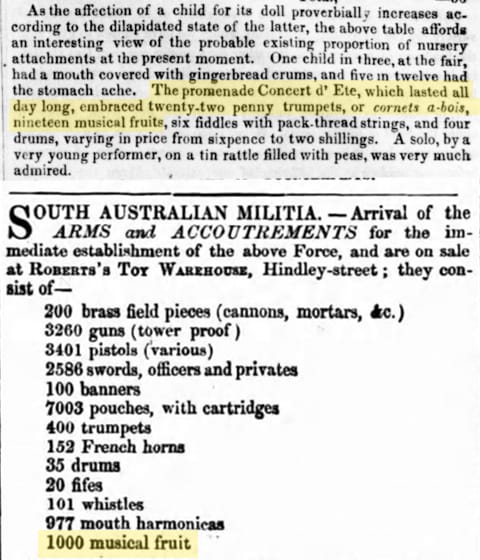
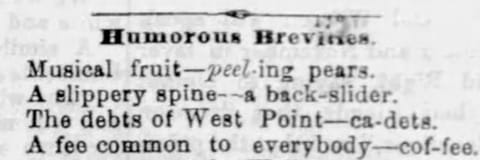
Here the history gets fuzzy, but I believe the term “musical fruit” was widely known, especially among children, and someone (perhaps multiple people) made the connection between the term musical fruit and beans. “Musical fruit” is, after all, already a metaphor–the instrument must have been small and toy-like, in some way resembling a piece of fruit. If the term was already in circulation, it is easy to imagine it prompted people to wonder what else could be called a musical fruit. Indeed, we find the phrase used in other contexts, like this 1868 newspaper that featured a pun unrelated to farting:
But why beans? We have not answered that fundamental question. Why sing about beans at all, and why would virtually every child in the English-speaking universe know this song? Here, fortunately, the history is much more clear and also explains why I believe the bean song probably emerged on American soil: during the American Civil War, soldiers ate a hell of a lot of them.
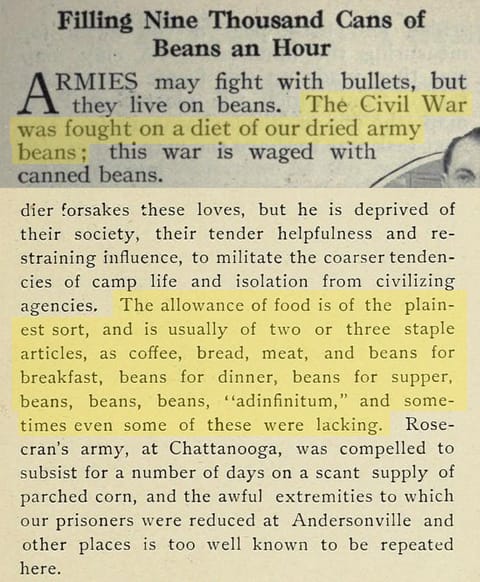
Beans have long had an association with the poor and rough-traveling. They are a cheap and nutritious crop and can stretch meals by supplementing or replacing more expensive foods. They also store and travel well, especially prior to modern food preservation techniques. For these reasons, both sides of the Civil War fueled their troops with the musical fruit. A 1917 issue of Popular Science states it plainly: “Armies may fight with bullets, but they live on beans. The Civil War was fought on a diet of our dried army beans.” One Illinois Union man’s memoir describes eating beans “adinfinitum.”
Legumes loomed large in the lives of all soldiers, and this bean-burdened existence inspired jokes and campfire songs. One song called “The Army Bean” is mentioned in histories of the Grand Army of the Republic, a fraternal organization of Union soldiers. The theme of the song is unambiguous: soldiers ate beans all the time, night and day, and no doubt songs like this were invented to raise spirits during monotonous meals amidst a miserable conflict. “The Army Bean” and similar songs are well attested and were sung across military branches. They were so well remembered that they were sung at reunions into the 20th century.
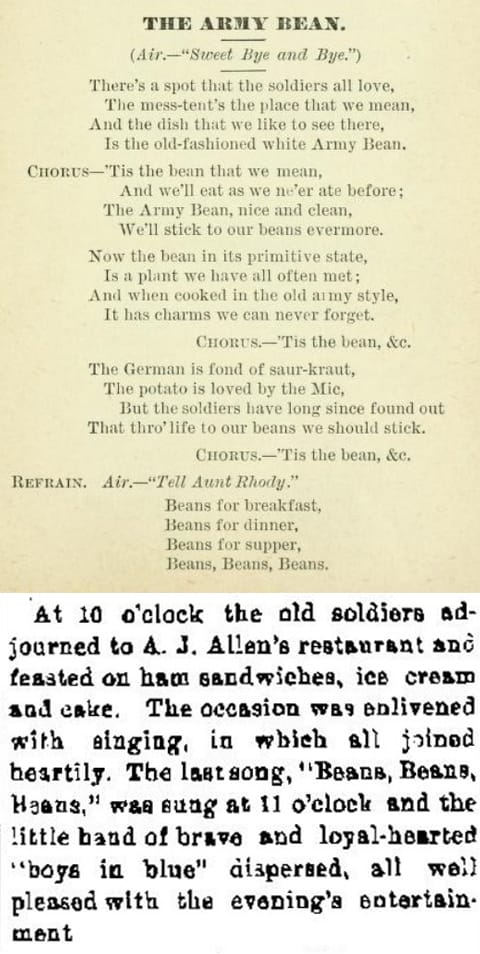
“The Army Bean” does not include the phrase “musical fruit” nor is it about farting at all. Its popularity speaks to the ubiquity of beans, especially during wartime, and it helps us understand the real punchline of the bean song that we know today. “Beans, Beans, the Musical Fruit” is not a song about the musicality or the fruit, nor the amount that we toot, but about eating beans with every meal. I believe the song ends like it does because that’s the actual joke: having to sit down to yet another plate of the damn things.
The Punchline
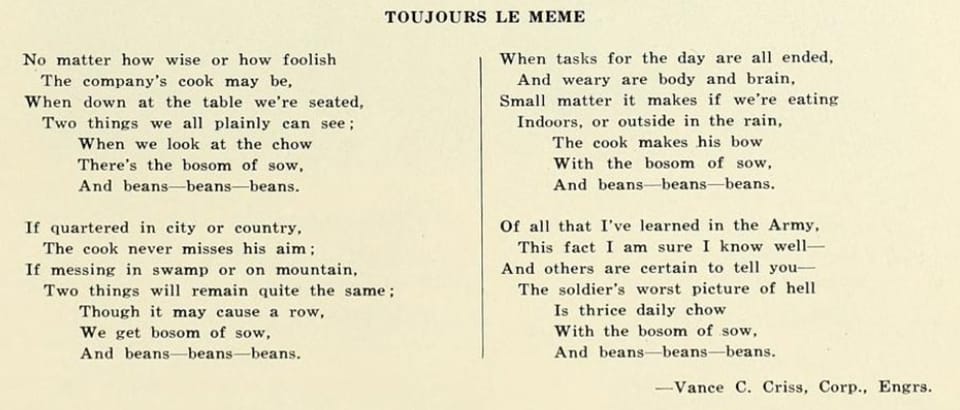
The prominence of beans in both civilian and military life continued. The Popular Science quote above comes from an article about World War I. “This war,” the article continues, referring to the Great War, “is waged with canned beans.” Industrial agriculture led to developments in food storage but not in food variety, and so soldiers continued to sing about beans. A 1921 memorial to veterans includes a song titled “Toujours le Meme” (“Always the Same”) about a “soldier’s worst picture of hell”–eating beans three times a day.
Popular culture was also inundated with bean-themed novelty songs: on the radio, in early gramophone printings, and in live performances. A 1910s song called “Beans, Beans, Beans” seems to have been particularly popular, about a man divorcing his wife because she cooks beans too often, and was either intended as a blackface song or was often performed as such.
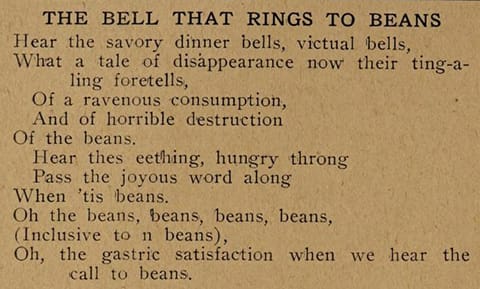
Beans then, as now, featured in racist comedy. Jokes about Mexican cuisine date far back, and I would guess that the association between beans and poverty contributed to other racist stereotypes. But beans were not just a racist cliché: they remained a symbol of poverty for all Americans. A 1917 song called “The Bell That Rings to Beans,” published in a college newspaper, includes a line about “HCL”–or the high cost of living, a national crisis so acute that it was popularly known by its abbreviation.
As the century progressed, beans even came to represent a failure to modernize–a symbol that one still lived a hardscrabble existence rather than a life of abundance and sophistication. Like “Beans, Beans, Beans” above, you can find plenty of jokes about husbands furious at their bean-serving wives. I found one Canadian short story, a drama rather than comedy, where a wife felt embarrassed after her husband served beans at a dinner party. Later in the story, the wife bemoans their lack of “civilized cooking.”
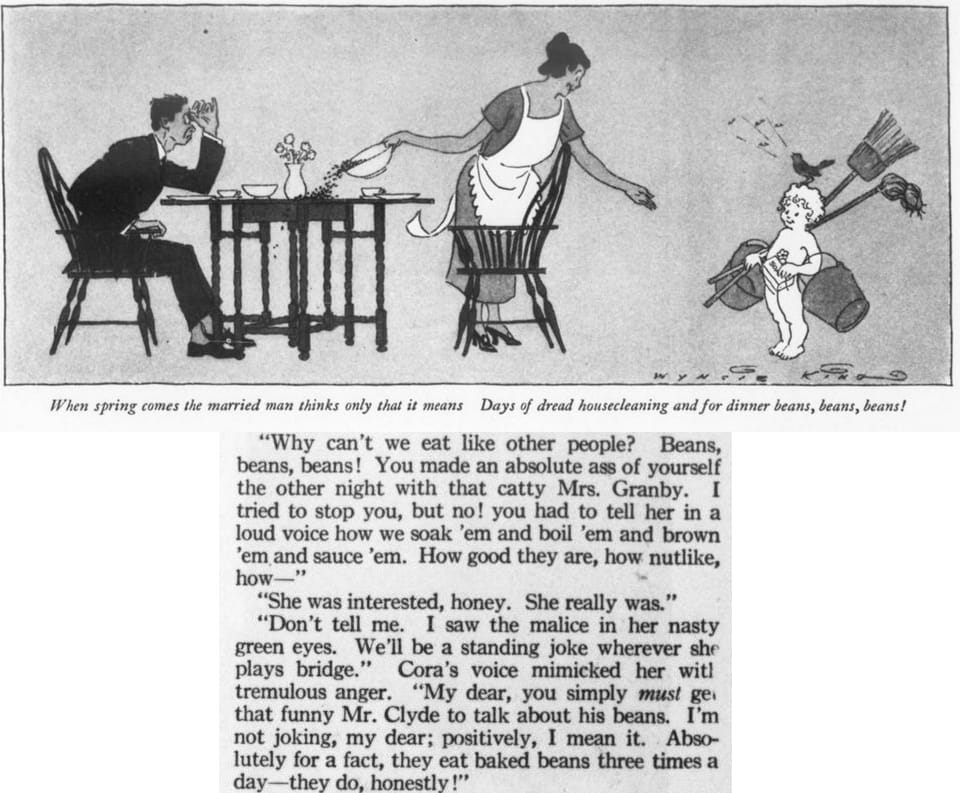
If we want, we can follow the trail of bean songs all the way through modernity. A 1945 issue of Hit Parader highlights a “popular song,” apparently lighting up the charts, called “Beans-Beans-Beans-Beans.” The 1950 Jerry Lewis film At War with the Army opens with a musical number about the monotony of eating beans in the military (apparently still a problem).
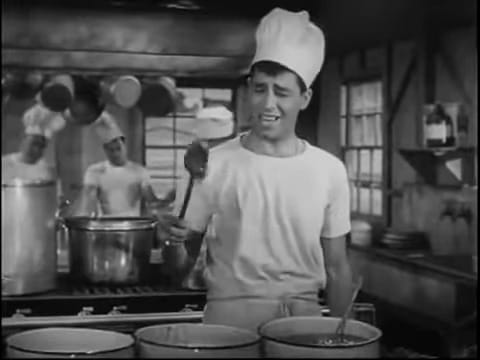
As bean comedy advances into the relative prosperity of midcentury America, the poverty aspect diminishes. The songs become about the monotony of beans, and the flatulence, and perhaps the innate funniness of the word “bean,” but no longer are these songs about being poor. Eventually we meet back up with Josh Groban in 2021, trying and failing to push the boundaries of bean-inspired musical comedy. (I believe this is what Gramsci was talking about when he said “The new world struggles to be born.”)
But we would be getting ahead of ourselves. This is not a piece about all bean songs but the bean song, and we still don’t know where “Beans, Beans, the Musical Fruit” actually came from. We have discovered the component parts of the song–the rhyming structure, the term “musical fruit”–but we cannot date the song until much later. The earliest, most direct reference I can find is a 1931 literary review that quotes the opening line (“beans, beans, the musical fruit”), seemingly as an opening line, as if the reader should understand there to be more. I cannot find any complete transcription of the song earlier than the 1950s–almost a century after the Civil War concluded. Admittedly, quite a gap.
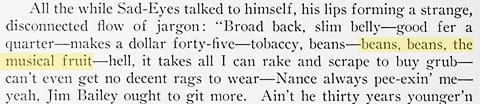
A genealogy record provides our best clue for the Civil War theory. In 1949, the descendants of a man named George Hodgson completed a book of family records and interviews. The family lived out west and sent their family history to be archived in Salt Lake City. In this history, an elderly Mrs. JJ Frary records her childhood memories from the 1870s.
Mrs. Frary states that she used to eat beans so much that even decades later she cannot stand the taste of them. She tells a story of one dinner where, upon being served white beans, she and other children marched around the kitchen singing the bean song, or at least a form of it:
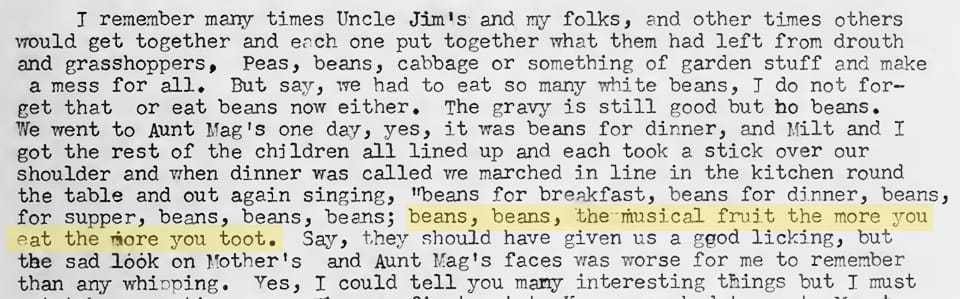
This is a memory recounted much later, not a contemporary source, and so we must acknowledge it is only a memory. It could have been misremembered or reshaped over the years. But I believe this memory tracks with everything we know about the song’s origins. And if there’s one thing we know about the song, it’s how memorable it is, how easy it is to recall even if you haven’t sung it in years.
More important than the literal lyrics, Mrs. Frary remembers the struggle. She remembers the “very hard times.” She remembers, perhaps with the perspective of her own age, the difficulty on the faces of her then-elders. “The sad look” on her mother’s face was “worse for me to remember than any whipping.” As a child, a plate of white beans was a tedious meal to force down, what we might call a struggle meal today. For the parents, it was a reminder of their privation, their inability to feed and nurture their children. I think many grown children can relate to this feeling, the realization that a moment benign for you was heart-wrenching for the grown-ups.
The story, as I’ve attempted to tell it, ends here, with postbellum children singing in a poor family’s kitchen. If Mrs. Frary’s memory is accurate, the song was already circulating, already an earworm that would survive in her mind for the better part of a century. Whether schoolyard or battlefield ephemera, it seems nobody bothered to write this song down until many years later. And so we’ll probably never know who sang it first, child or soldier.
Or the answer might be both. In history, those categories regularly overlap. The National Park Service estimates that 100,000 Union soldiers were 15 years old or younger, and hundreds of children aged 10 to 13 served in the drum and fife corps, playing tunes to bolster morale. One wonders whether any of those 10 year olds carried a musical fruit.
Background reading
A Concise Statement of the Descendents of George Hodgson. The Hodgson family. 1949.
"Why Beans Make You Burst With Gas." Cleveland Clinic.